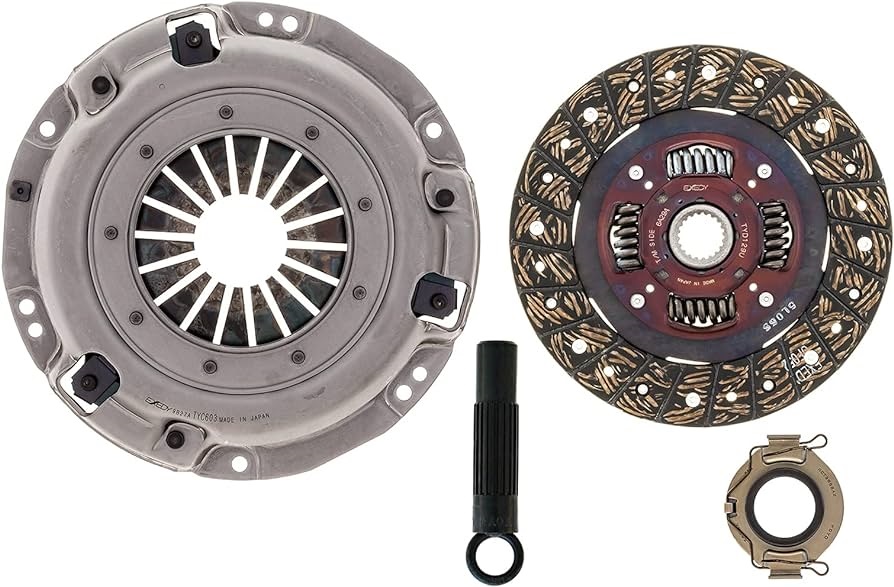
Clutch Bearing Replacement
Clutch Bearing Replacement involves replacing the worn or damaged clutch bearing, also known as the release bearing, to ensure smooth clutch operation. Our expert technicians meticulously remove the transmission, disassemble the clutch assembly, and install a new clutch bearing, restoring proper clutch engagement and disengagement. With this service, we aim to eliminate clutch-related symptoms and improve overall drivability.
WHAT IS CLUTCH BEARING REPLACEMENT?
Clutch Bearing Replacement involves replacing the worn or damaged clutch bearing, also known as the release bearing, to ensure smooth clutch operation. Our expert technicians meticulously remove the transmission, disassemble the clutch assembly, and install a new clutch bearing, restoring proper clutch engagement and disengagement. With this service, we aim to eliminate clutch-related symptoms and improve overall drivability.
HOW IS CLUTCH BEARING REPLACEMENT DONE?
Clutch Bearing Replacement typically involves the following steps:
- Vehicle Inspection: Technicians assess the clutch system to identify the faulty clutch bearing and determine the extent of the repair needed.
- Transmission Removal: The transmission is removed from the vehicle to access the clutch assembly.
- Clutch Disassembly: The clutch components, including the pressure plate, clutch disc, and release bearing, are disassembled and removed from the flywheel.
- Clutch Bearing Replacement: The old clutch bearing is removed from the clutch fork or release mechanism, and a new clutch bearing is installed in its place.
- Clutch Reassembly: The clutch components are reassembled onto the flywheel in the correct orientation, ensuring proper alignment and engagement.
- Transmission Reinstallation: The transmission is reinstalled onto the engine, ensuring proper alignment and engagement with the new clutch bearing.
- Test Drive: A test drive is conducted to verify the proper operation of the clutch system, including smooth engagement and disengagement, and to ensure there are no unusual noises or vibrations.
RECOMMENDATIONS
Following Clutch Bearing Replacement, it's recommended to break in the new bearing gently for the first few hundred miles, avoiding aggressive driving maneuvers. Regular maintenance checks should be performed to ensure the clutch system remains in optimal condition, including periodic adjustments and inspections for any signs of wear or abnormal noises. Additionally, practicing smooth clutch operation and avoiding prolonged clutch pedal engagement can help prolong the lifespan of the clutch bearing and maintain smooth operation.
SYMPTOMS THAT INDICATE YOU NEED A CLUTCH BEARING REPLACEMENT
- Grinding or rattling noise when the clutch pedal is depressed
- Difficulty shifting gears, particularly when engaging or disengaging the clutch
- Clutch pedal feels soft or spongy
- Frequent clutch slippage, indicated by engine revving without a corresponding increase in vehicle speed

To install this Web App in your iPhone/iPad press
 and then Add to Home Screen.
